
Anderson, Indiana
Flooded Basement Cleanup in Anderson
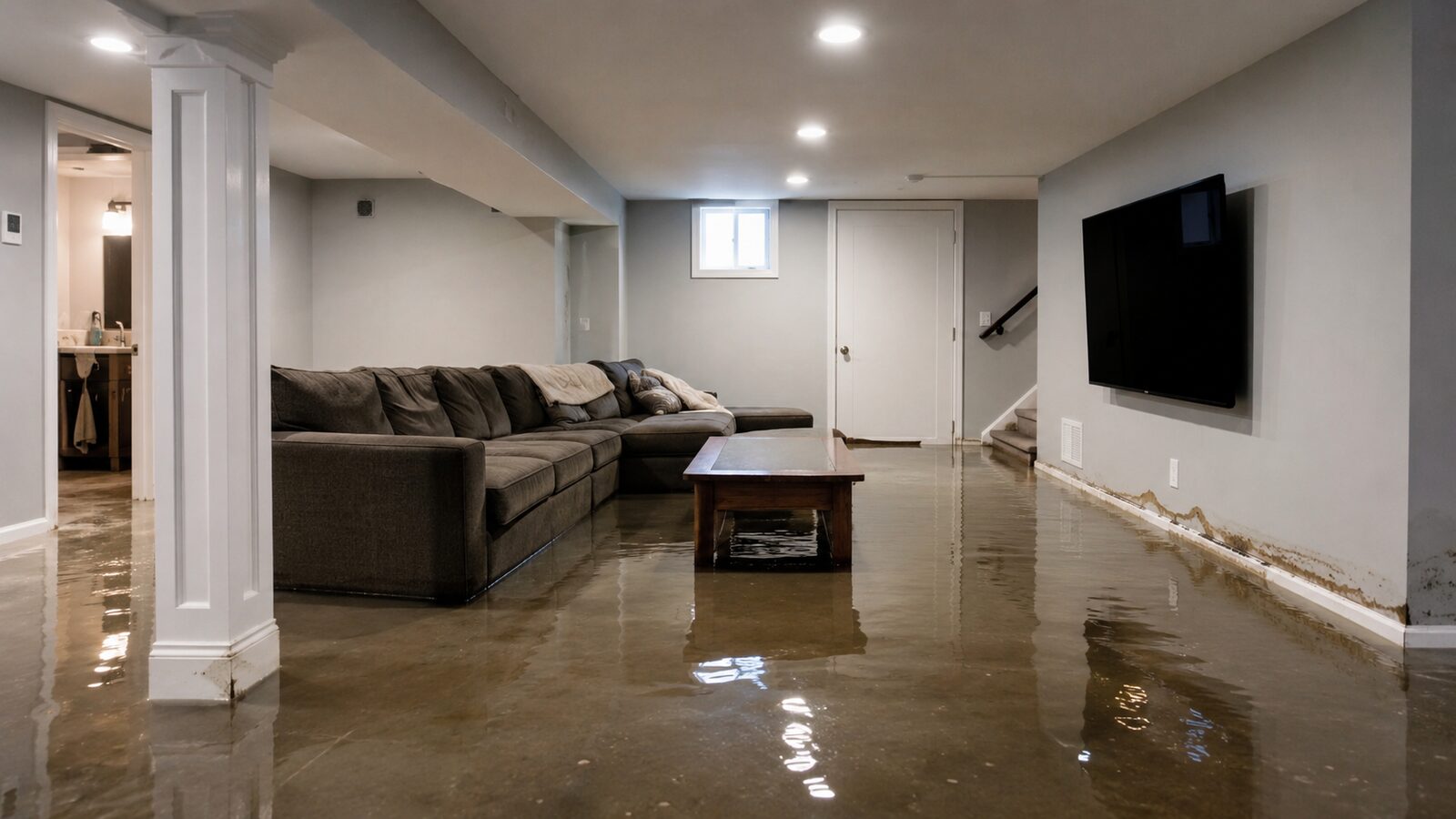
A wet basement is more than a floor problem. Water moves into carpet pad, under laminate, behind baseboard, and into the belongings people rely on a finished basement to hold.
Protect the finished space before it gets worse
Anderson basements often function as family rooms, home offices, storage areas, and extra bedrooms. That makes a few inches of water deceptively costly. The flooring may hide the path it took, and drywall can wick moisture several inches above the line you can see. A careful cleanup separates the materials that can dry from the ones that will stay wet behind the finish.
What basement cleanup involves
First comes the water source. A supply line, sump issue, outside water, or a drain backup each changes the safety and cleaning plan. Then we extract water, move contents out of the wet zone, inspect flooring and lower walls, and set drying equipment where it can reach the materials that remain. Moisture readings give the plan a boundary; they are how we avoid treating only the visible puddle.
Items that need separate decisions
- Carpet and pad, which can hold water differently even in the same room.
- Laminate and engineered flooring, where moisture may sit beneath the surface.
- Baseboard and drywall, which show how far water wicked up the wall.
- Stored boxes, upholstered furniture, and electronics that should be moved safely before cleanup begins.
Why lower levels in Anderson need a closer look
Finished basements in older homes often have several renovations layered together. A wall may hide original masonry, new framing, old utilities, and newer insulation in a narrow cavity. When ground stays wet after a storm, water can appear at a seam that has never leaked before. For water under the structure itself, see crawl-space flooding and moisture removal. For a burst line that is still releasing water, start with getting the standing water out fast.
What to do before help arrives
- Do not walk through a wet basement if electrical outlets, power strips, or appliances are in the water.
- Lift valuables to a dry area only if you can do so without entering standing water.
- Do not pull carpet or baseboard before the water source and contamination risk are understood.
Our approach
Making a lower level dry again
Identify the source
The origin of the water decides what can be cleaned and what needs to be removed.
Map the wet materials
Readings show where moisture stopped, including areas beneath finishes.
Dry with a clear target
Equipment stays focused on materials that have not reached their normal moisture level.
Water in the lower level?
Call 765-615-4599 to talk through your Anderson basement.
Flooded basement questions
Should I run my sump pump after water has reached the basement?
If it is safe to operate and the problem is groundwater, the pump may help lower the water level. Do not handle electrical equipment while standing in water. If the water has a drain or sewage source, stop and call instead of trying to pump it yourself.
Can I save boxes stored on the floor?
Move dry items first. Wet cardboard transfers moisture quickly, and items inside may be better than the box around them. Photograph contents before discarding anything if you plan to document the loss for an insurer, then ask what can be cleaned or dried safely.
Why is the floor still damp around the edges?
Water often stays beneath flooring or behind baseboard after the open floor looks dry. Edge moisture can indicate water traveled farther than expected. Meter readings identify the wet boundary and help decide whether the finish needs to be opened.