
Anderson, Indiana
Flood Cleanup in Anderson
Flood cleanup is different from a pipe leak because outside water can carry soil, debris, and contamination into the building. The first job is to make the space safe before deciding what can be dried.
When storm water reaches finished space
Heavy rain can push water through a foundation, under a door, or back through a floor drain. In Anderson, that often means a lower level that looked protected until the ground stayed saturated longer than expected. The water may recede, but it leaves behind a line of wet materials that needs a different cleanup plan than clean plumbing water.
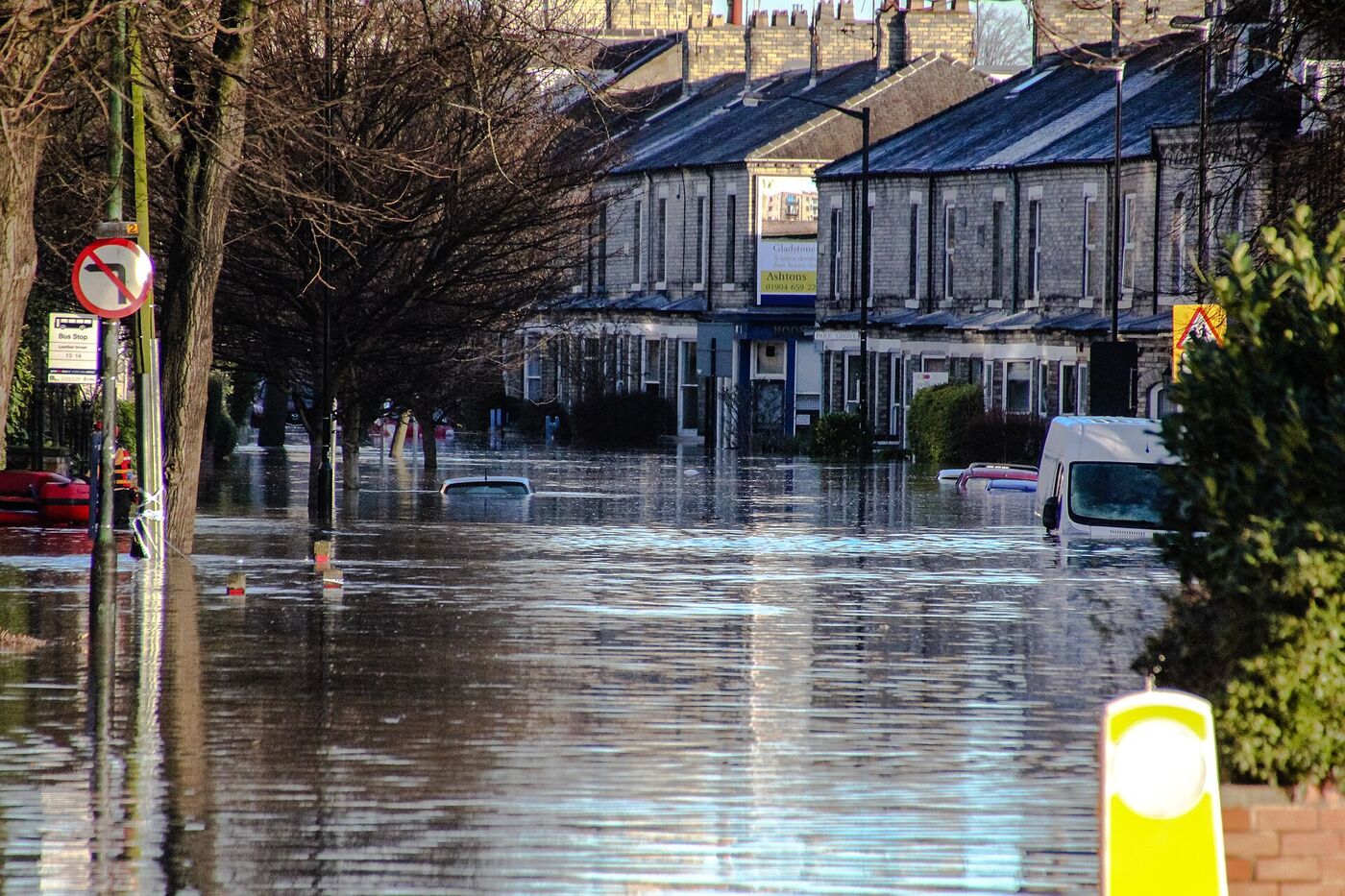
How flood damage cleanup proceeds
We identify where the water entered and what it crossed, remove standing water, and separate materials that can be cleaned from porous items that have absorbed contaminated water. Floors, lower drywall, and insulation are assessed by material, not by appearance alone. Once cleaning and removal are complete, drying equipment controls humidity and moisture in the remaining structure.
What we pay attention to
- Whether water came from outdoors, a drain, or a combination of both.
- How far it moved beneath flooring and behind finished walls.
- Contents that need to be moved before they wick more water.
- Areas where electrical equipment or appliances sit near the water line.
Anderson flood scenarios are rarely one-room problems
Water follows the lowest path. In a finished basement, that can mean it travels under partitions and shows up on the far side of the room after the visible puddle has been removed. In a small business, it may work under display flooring or into storage shelving. If water is still present, start with emergency water extraction and removal; if it reached a drain or smells contaminated, read about what sewage backup cleanup involves.
What to do before help arrives
- Stay out of standing water near electrical panels, outlets, extension cords, or appliances.
- Do not use a household vacuum or fan in contaminated water.
- Move dry belongings only from a safe, dry area, and leave soaked materials in place for assessment.
Our approach
From floodwater to a dry structure
Contain the affected area
We keep water and debris from being tracked into dry rooms.
Remove and clean by material
Porous materials and hard surfaces are handled differently because they do not respond to the same cleaning process.
Dry and verify
Moisture readings guide equipment placement until the structure reaches its dry target.
Water entered from outside?
Call 765-615-4599 and describe the entry point and affected rooms.
Flood cleanup questions
Can I keep the carpet after a basement flood?
It depends on the source of the water, how long it sat, and what the carpet and pad absorbed. Outside floodwater often makes the pad unsalvageable even when the carpet surface looks acceptable. We assess the source and the materials before recommending removal.
Why does the room smell worse after the water goes down?
As wet materials warm up, trapped soil and moisture start producing odor. The smell is a reason to check beneath flooring, behind baseboard, and inside wall cavities, not a reason to cover it with fragrance. Cleaning and drying address the source.
What if only part of the basement flooded?
Water can travel under flooring farther than the visible wet area. We map the edge of the loss with readings before deciding where drying or removal needs to happen. That prevents a dry-looking border from being mistaken for a dry structure.